
The Anatomy of a Classic Western Shirt: Rugged, Durable, and Stylish

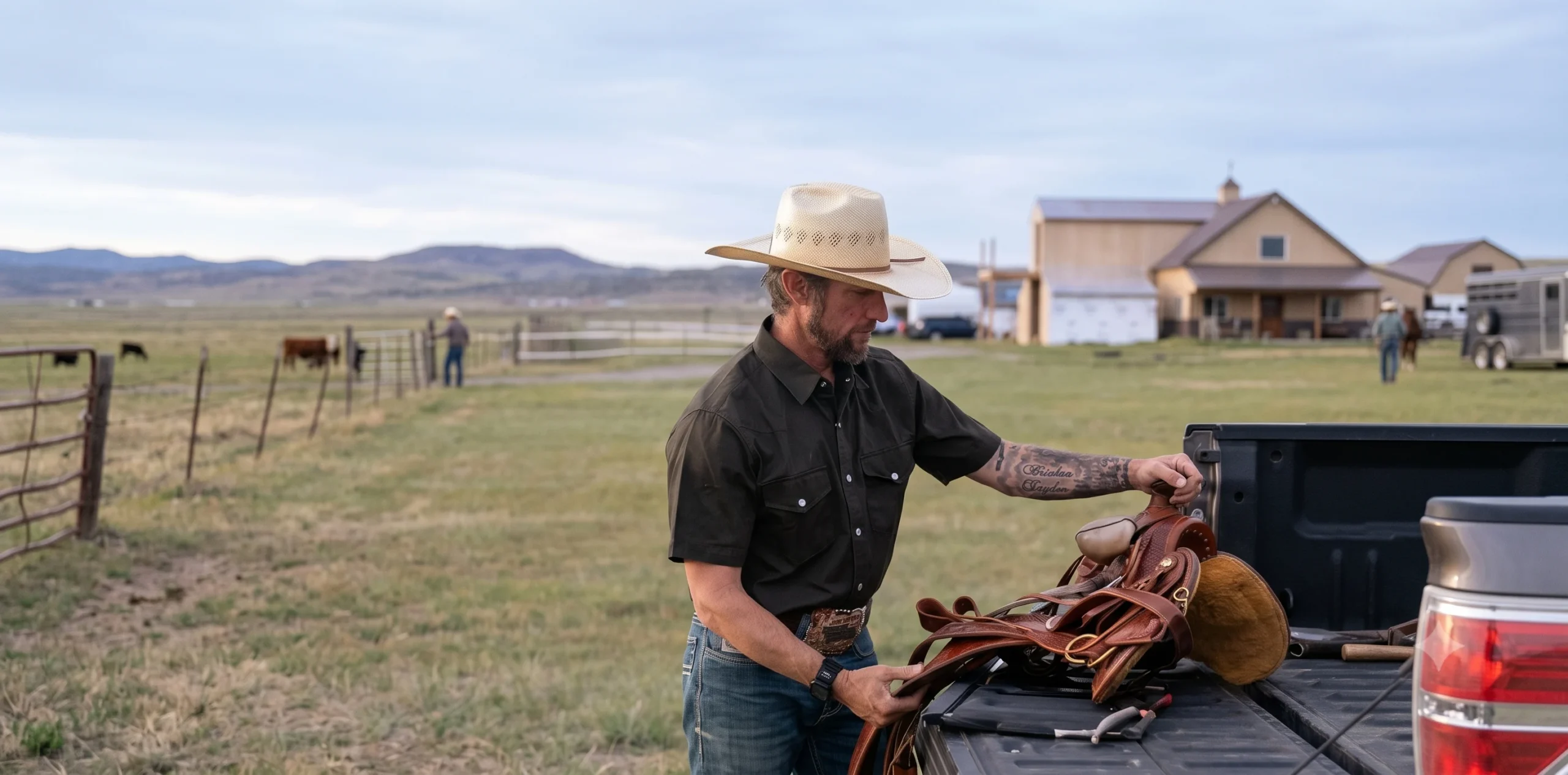
Few garments in menswear carry as much history, character, and sheer resilience as the classic Western shirt. Originally designed as practical workwear for cowboys riding across the rugged landscapes of the American West, this iconic piece has successfully transitioned from the open range to the center stage of modern fashion.
But what makes a Western shirt a Western shirt? It is not just about the plaid pattern or a casual fit. The true identity lies in its anatomy—a precise blueprint of distinct elements engineered for durability and style.
Let’s dissect the key components that define this timeless menswear staple.
1. The Defining Features: A Structural Breakdown
A true Western shirt is instantly recognizable by several structural hallmarks. Every seam and closure was born out of necessity, creating an aesthetic that balances form and function perfectly.
The Stylized Yoke (The Signature Mark)
The yoke is the curved or pointed piece of fabric around the neck and shoulders. On a classic Western shirt, you will find both a front yoke (above the chest pockets) and a back yoke (across the shoulder blades).
- The Pointed Design: Typically shaped in a single point (“one-point yoke”) or a stylized double-point resembling a stylized “M” or saw-tooth pattern.
- The Purpose: Originally, these double-layered fabric sections were designed to reinforce the highest-wear areas of the shirt—the shoulders—protecting cowboys from the friction of heavy ropes and the elements. Today, it adds a powerful visual frame that broadens the wearer’s shoulders.
Pearl Snaps (The Safety Solution)
Instead of traditional sew-on buttons, authentic Western shirts feature metal snap closures, often capped with iridescent mother-of-pearl or imitation pearl.
- The Breakaway Function: This was a critical safety feature. If a cowboy was thrown from a horse or got his shirt caught on a horn or fence, the snaps would instantly pull open (“break away”), preventing him from being dragged or trapped.
- The Modern Appeal: Beyond the safety heritage, pearl snaps add a subtle, metallic flash of style that elevates the shirt above standard casual button-downs.
Distinctive Chest Pockets
You cannot have a Western shirt without its signature twin chest pockets.
- Flap Configurations: These pockets almost always feature flaps secured by snaps to keep personal items safe while riding.
- The “Sawtooth” or “Bar-m” Shapes: Popularized by historic brands like Rockmount Ranch Wear, the pocket flaps often mimic the pointed geometry of the yokes, creating a cohesive, sharp visual language across the chest.
2. Fabric and Construction: Built to Last
The anatomy of a Western shirt goes deeper than just the visible details; it is embedded in the fabric and the structural integrity of the stitching.
Heavy-Duty Fabrics
Unlike delicate dress shirts, Western shirts rely on rugged, tightly woven textiles that develop character over time.
- Denim & Indigo Twill: The gold standard. Denim resists tearing, blocks cold winds, and fades beautifully, telling the unique story of the wearer’s lifestyle through natural wear patterns.
- Chambray: A lighter, breathable plain-weave alternative that offers a similar rugged look but is much more comfortable for warm-weather styling.
- Flannel: Often featuring rich plaid or tartan patterns, heavy cotton flannel versions provide essential insulation for cooler seasons.
Engineered Durability
If you look closely at the construction, you will find double or triple-needle chain stitching along the side seams, armholes, and yokes. This heavy-duty sewing method ensures that the shirt can withstand immense tension without ripping at the seams.
3. Why the Western Shirt Remains a Style Essential
The enduring popularity of the Western shirt lies in its incredible versatility. It occupies the perfect middle ground between rugged masculinity and effortless casual style.
Rugged Heritage + Tailored Anatomy = Absolute Versatility
- Effortless Layering: It functions beautifully as an “overshirt.” You can wear it unbuttoned over a clean white t-shirt for a relaxed, layered look.
- Visual Interest: Thanks to the yokes and pearl snaps, a Western shirt adds texture and structural detail to an outfit that a plain button-down simply cannot match.
- A Timeless Silhouette: The tailored, slightly tapered fit combined with the shoulder-broadening yokes creates an inherently flattering shape for almost any body type.
4. How to Wear It Without Looking Like a Costume
Steering clear of “cowboy cosplay” is simple. The secret is balance: pair your Western shirt with contemporary, non-Western staples.
| The Western Shirt Style Guide | |
| The Casual Edge | A medium-wash denim Western shirt, slim-fit black denim or olive chinos, and clean leather boots or minimalist sneakers. |
| The Rugged Professional | A clean, dark indigo or black chambray Western shirt tucked into tailored dark trousers, finished with a sleek leather belt. |
| The Weekend Relaxed | An unbuttoned plaid flannel Western shirt layered over a grey heather t-shirt and classic relaxed-fit denim. |
Style Rule: Avoid wearing a Western shirt, a massive belt buckle, cowboy boots, and a cowboy hat all at the same time—unless you are actually heading to a rodeo or working on a ranch in the United States. Let the shirt be the hero piece of your outfit.
The Verdict
The classic Western shirt is a masterclass in functional design. Every iconic detail—from the reinforced yokes to the quick-release pearl snaps—was created to solve a real-world problem on the frontier. By understanding its rich anatomy, you can appreciate why this rugged, durable garment continues to be an essential, stylish pillar of the modern wardrobe.